Explore the Cream of the Crop in Rewax for 2026 Projects
As we look ahead to 2026, the realm of rewaxing presents exciting opportunities for projects across various industries. Rewaxing is not merely a maintenance task; it is an art form that enhances the longevity and durability of materials. With advancements in technology and a growing emphasis on sustainability, the cream of the crop in rewax solutions is poised to redefine how we approach projects in the coming year.
Understanding Rewaxing
Rewaxing involves applying a fresh layer of wax to surfaces that may have lost their protective coating over time. This process is essential in preserving the integrity of materials such as wood, textiles, and metals. In 2026, the focus will be on utilising eco-friendly waxes that not only provide protection but also align with sustainable practices. The selection of the right product is critical, as it directly affects the outcome of the project.
Innovative Rewaxing Products
In recent years, the market has seen a surge in innovative rewaxing products tailored for specific applications. For instance, biodegradable waxes are gaining traction, offering a sustainable alternative to traditional options. These products are designed to break down naturally, reducing environmental impact. Furthermore, manufacturers are investing in research to enhance the effectiveness of these waxes, ensuring they provide superior protection without compromising on eco-friendliness.
People Also Look For:
- Musiook 12 PCS Beeswax Candles UK, Tea Light Beeswax Candle, Pure Bees Wax Candle, Tea Lights Candle for Relaxation, Handmade, Non...
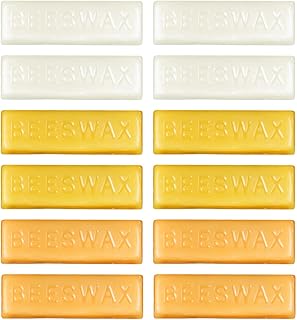
- 5 x 30g Beeswax Blocks/ingots
- Editbar Pack of 20 Beeswax Candles, 20 x 15 cm Beeswax Plates for Candles, (White) Beeswax Candles, Natural Products, Make Your Ow...
- TRINIDa Beeswax Pellets 200g, Yellow Bees Wax for DIY Candles, Beeswax for Candle Making, Skin, Body, Face, and Hair Care, Lotions...
- Cambridge Traditional Products 10oz. Neutral Beeswax Furniture Polish (P2)
Choosing the Right Technique
When embarking on rewaxing projects in 2026, it is essential to consider the technique used. From spray applications to traditional hand waxing, each method has its benefits and drawbacks. Spray applications are ideal for large surfaces and intricate designs, allowing for an even coat without the risk of uneven application. Conversely, hand waxing offers a level of control that is unparalleled, making it perfect for detailed work. Understanding the specific needs of your project will guide the choice of technique.
Applications Across Industries
The applications of rewaxing extend beyond traditional uses. In the furniture industry, for instance, rewaxing can breathe new life into vintage pieces, enhancing their aesthetic appeal while protecting against wear and tear. Additionally, the automotive sector is beginning to recognise the benefits of rewaxing for maintaining vehicle exteriors. As consumers become more environmentally conscious, the demand for sustainable rewax solutions will continue to rise.
Future Trends in Rewaxing
Looking ahead, several trends are likely to shape the rewaxing landscape in 2026. One significant trend is the integration of smart technology in rewaxing products. Imagine a wax that can change its properties based on environmental conditions, providing optimal protection at all times. This level of innovation could revolutionise how we approach surface care. Moreover, the rise of online platforms enables consumers to access a wealth of information regarding rewax products and techniques, making it easier than ever to select the best options for their projects.
Expert Tips for Successful Rewaxing
To achieve the best results in rewaxing, preparation is key. Ensure that the surface is thoroughly cleaned and free of any old wax or contaminants before applying a new layer. Additionally, understanding the specific requirements of the material being treated will lead to better outcomes. Experts recommend testing a small area first to gauge the effectiveness of the product and technique before committing to the entire project. As 2026 approaches, these expert insights will prove invaluable for both novices and seasoned professionals alike.